Georgian Period
The Georgian Period (1714–1830)
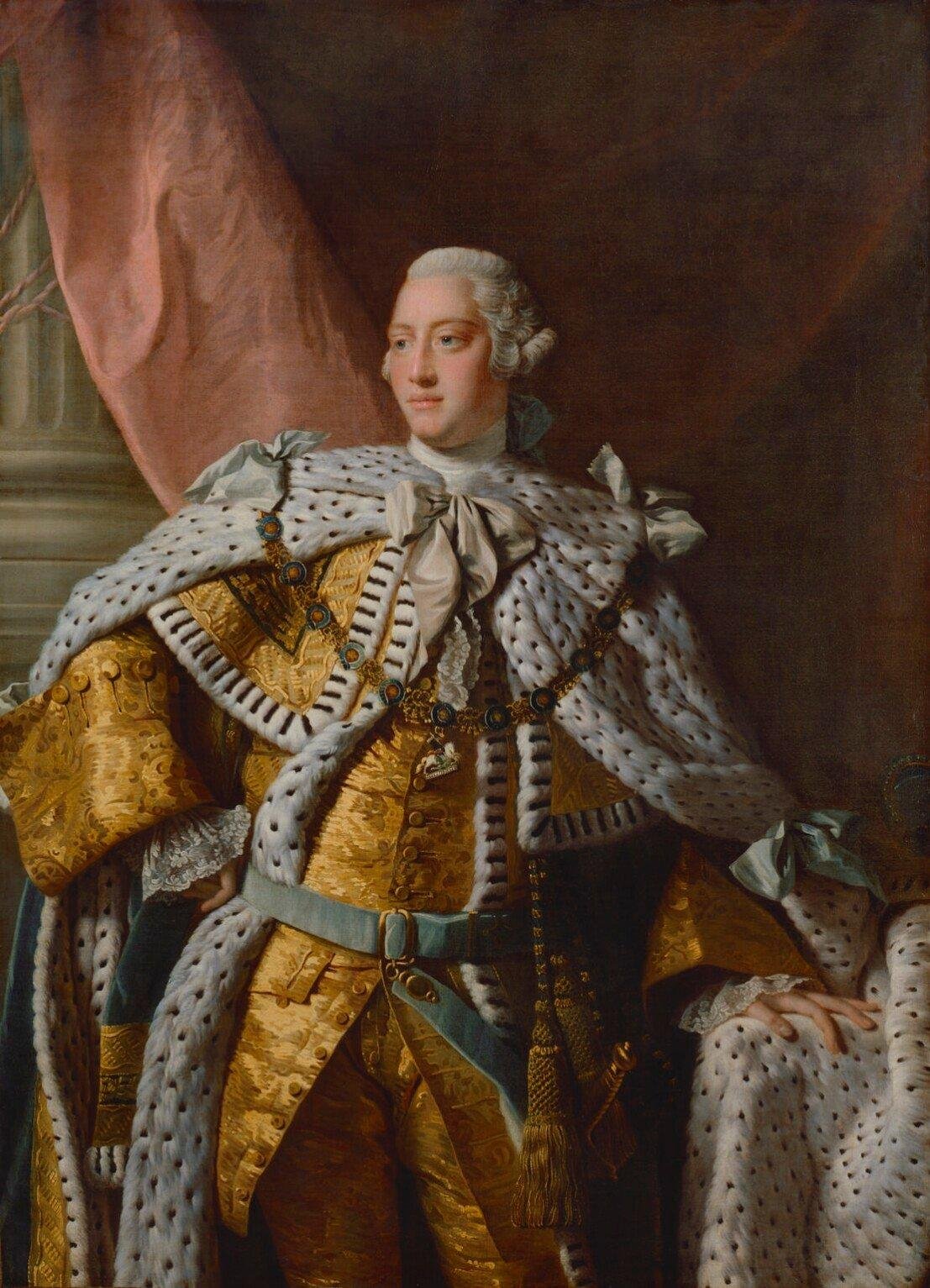
The Georgian period in Britain spans from 1714 to 1830, named after four monarchs: George I, George II, George III, and George IV. It was a time of major transformation in politics, culture, science, and society.
🏛️ Politics and Society
Britain evolved into a more stable constitutional monarchy, with Parliament gaining power.
The era saw the expansion of the British Empire across North America, India, and beyond.
Major events include the American Revolution and the Napoleonic Wars.
Society was highly stratified, with a clear divide between aristocracy, middle class, and working poor.
🎨 Culture, Art, and Literature
The arts flourished, with painters like Thomas Gainsborough.
Writers such as Jane Austen captured social life and manners.
The rise of novels, newspapers, and coffeehouse culture spread ideas widely.
🏠 Architecture and Design
Georgian architecture is known for symmetry, proportion, and elegance.
Influenced by classical Greece and Rome, often called Neoclassical style.
Iconic examples include the Royal Crescent in Bath.
🔬 Science and Innovation
This was the age of the Enlightenment, emphasizing reason and knowledge.
Figures like Isaac Newton (late 17th–early 18th century influence) shaped scientific thinking.
Advances in engineering and industry laid groundwork for the Industrial Revolution.
⚙️ Industry and Economy
Britain became the world’s first industrialized nation.
Innovations like James Watt’s steam engine revolutionized production.
Urbanization increased as people moved to cities for factory work.
👗 Daily Life and Fashion
Fashion was elaborate, especially among the wealthy—powdered wigs, waistcoats, and gowns.
Tea drinking, social visits, and public entertainment (like theatre) were central to daily life.
However, poverty and harsh working conditions were common for the lower classes.
In short
The Georgian period was a bridge between early modern and modern Britain—a time of elegance and inequality, innovation and upheaval, laying the foundations for the modern world.